 Lyra
What's this song about?
This song is a dramatic and operatic rock ballad that tells a story of a young man confessing to a murder and facing the consequences. It shifts through different musical styles, from a ballad to an opera to hard rock, reflecting the internal turmoil and external judgment the narrator experiences.
Themes
Emotional tone
Turbulent and dramatic
Deeper interpretation
Bohemian Rhapsody is a song that defies easy categorization, much like the operatic and theatrical style of Queen themselves. At its heart, it seems to be a confession, a dramatic outpouring from someone who has committed a terrible act – 'Mama, just killed a man.' This admission sets off a chain reaction of regret, fear, and a sense of impending doom. The narrator feels trapped by his actions, lamenting that his life is 'just begun' but now he has thrown it all away.
The song then famously shifts into its operatic section, which can be seen as a surreal trial or a descent into madness. The characters 'Scaramouche,' 'Galileo,' and 'Figaro' are invoked, perhaps representing different facets of judgment or the narrator's own internal dialogue. It's a bizarre and powerful sequence that amplifies the feeling of being overwhelmed and condemned, blurring the lines between reality and fantasy.
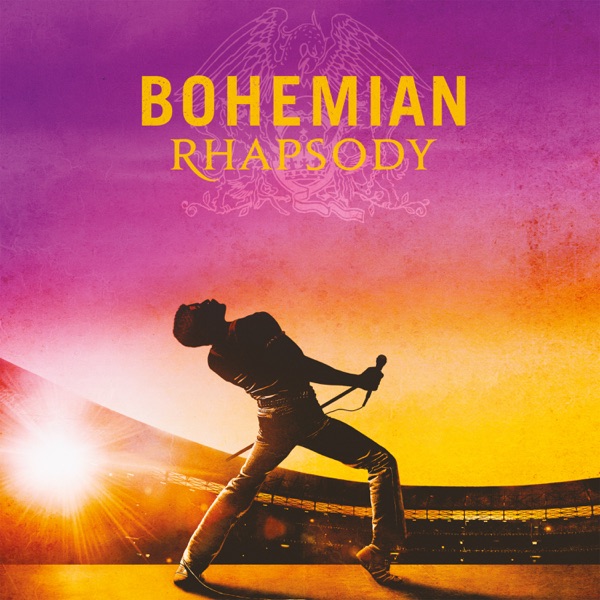
Finally, the song explodes into a hard rock section, often interpreted as the narrator's defiance or a final, desperate struggle against his fate. The repetition of 'Nothing really matters' can be heard as either a nihilistic acceptance or a profound realization. The Live Aid performance, in particular, captures the raw energy and theatricality of Queen, with Freddie Mercury commanding the stadium and delivering a performance that has become legendary for its power and connection.
Metaphors & references
- Mama, just killed a man, put a gun against his head, pulled my trigger, now he's dead
- This is the central confession, a literal or metaphorical act of destruction that irrevocably changes the narrator's life.
- Is this the real life? Is this just fantasy?
- This opening question immediately establishes a theme of uncertainty and doubt, hinting at the surreal and overwhelming nature of the narrator's situation.
- Scaramouche, Scaramouche, will you do the Fandango? Thunderbolt and lightning, very, very frightening me.
- These lines, part of the operatic section, create a chaotic and theatrical atmosphere, suggesting a sense of panic and a fantastical judgment scene.
- Nothing really matters to me, Anyway the wind blows.
- This concluding sentiment can represent a surrender to fate, a cynical dismissal of consequence, or a profound acceptance of life's impermanence.


